May 21, 2026
One Clear Door
A page packed with five buttons, three banners, a newsletter pop-up, and a chatbot widget doesn't feel helpful. It feels like a busy intersection with no traffic lights.
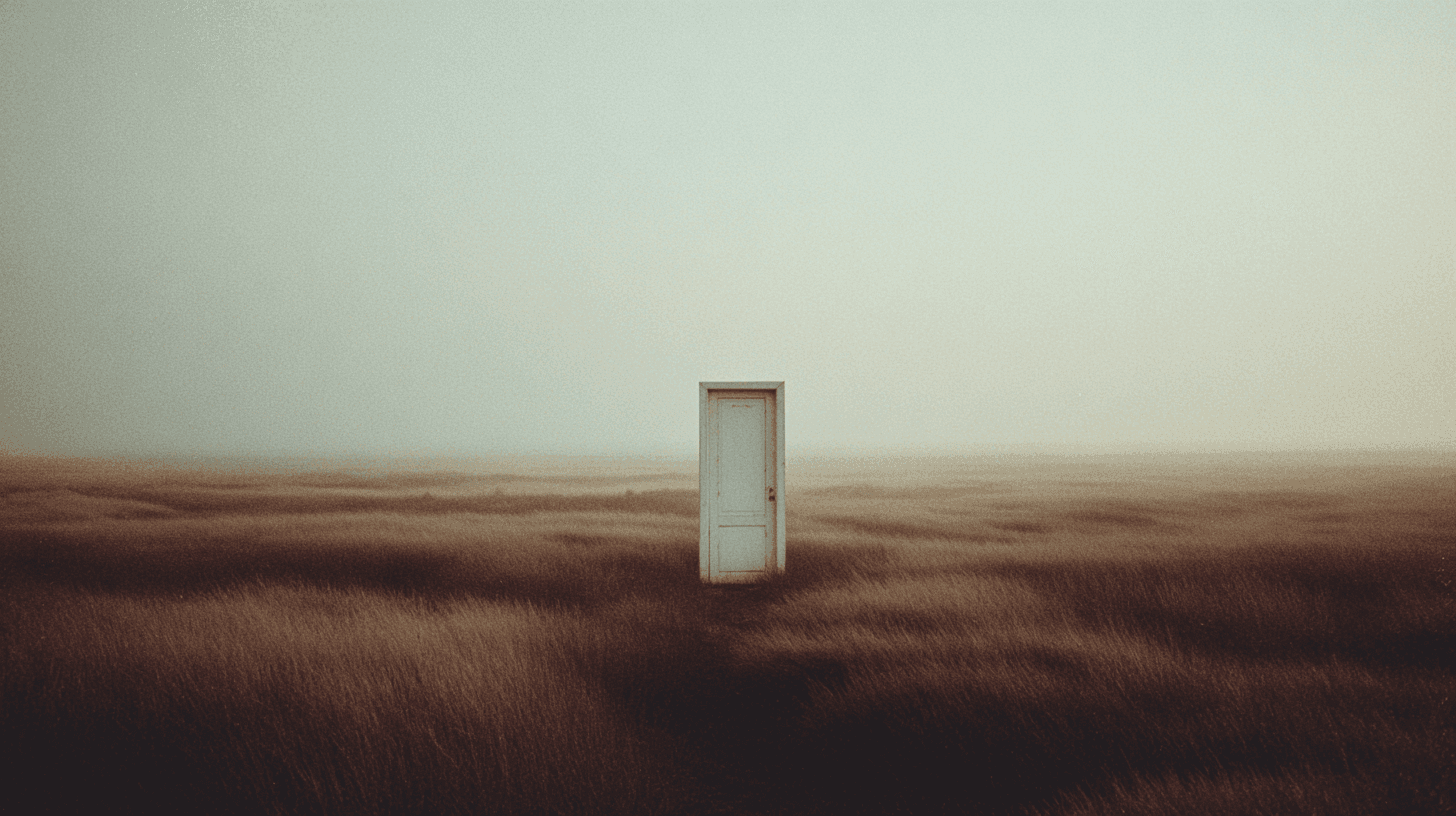
One clear door. Not ten possibilities.
Think about the last time you walked into a well-designed shop. Someone probably caught your eye, smiled, and said something like — "Let us know if you'd like to try anything on." That one small gesture told you exactly what to do next. You didn't have to guess. You felt welcomed, not overwhelmed.
Your website needs to do the same thing. And most don't.
The problem with options
When someone lands on your homepage, they've arrived with a small window of attention and a quiet question: can this person help me? If the answer to that question isn't obvious in a few seconds, they leave. Not because they're impatient — because deciding is hard, and no one wants to work at it.
A page packed with five buttons, three banners, a newsletter pop-up, and a chatbot widget doesn't feel helpful. It feels like a busy intersection with no traffic lights. Everyone hesitates. Most turn around.
"More choice creates more friction. The kindest thing you can do for a visitor is make the next step unmissable."
What one clear next step looks like
It's not just about having a button. It's about that button feeling inevitable — like the only sensible thing to reach for. That comes from three things working together:
01 Hierarchy does the pointing
The most important action on the page should be the most visually prominent — not because it's loud, but because everything around it steps back to let it breathe.
02 The words earn the click
"Submit" earns nothing. "Book your free call" tells someone exactly what happens next and makes it feel low-stakes. Write the label like you're finishing the sentence: I want to…
03 Placement follows the thought
People don't scroll until they're curious. Put your primary call to action where the question peaks — usually right after you've answered what you do and who it's for.
A quick gut-check
Pull up your homepage and cover the navigation with your hand. Now ask: what would a first-time visitor naturally do next? If you can't answer in one sentence, the page needs work. Not more content — more clarity.
Good website functionality isn't about having the right tools. It's about removing the need for your visitor to think. The best experience is the one where they barely notice they made a decision — they just found themselves exactly where you hoped they'd go.